Simple Zero Waste Living Guide
Living in a world driven by convenience often makes it easy to overlook the silent accumulation of waste in everyday life. From packaging to disposable habits, most routines are built on systems that prioritize speed over sustainability. Yet, if you pause for a moment and observe closely, there’s a growing shift happening, people are starting to question their consumption patterns and seeking smarter, more conscious ways to live without sacrificing comfort.
That shift is exactly where this zero waste living guide becomes relevant. Instead of overwhelming you with drastic changes, it introduces a practical approach to reducing waste through simple, consistent habits. It answers a common search intent: how to live sustainably in a realistic and achievable way, while still keeping life functional, modern, and efficient.
Introduction to Zero Waste Lifestyle
The idea of reducing waste might sound intimidating at first, but it’s actually rooted in something very familiar, awareness. Once you begin to notice how much you consume and discard daily, the motivation to change comes naturally. This section will guide you through the fundamentals, helping you understand why this lifestyle is gaining global attention.
You’ll also find that applying simple waste reduction tips can make the transition smoother than expected. It’s not about eliminating everything overnight, but about making gradual, meaningful improvements that align with your daily routine.
Concept of zero waste living
Zero waste living is centered on minimizing the amount of waste sent to landfills by rethinking how resources are used. Instead of following a linear pattern, buy, use, throw away, it promotes a circular approach where items are reused, repurposed, or composted.
This concept connects closely with sustainable living, eco-conscious habits, and a plastic-free lifestyle. The goal isn’t perfection, but progress, small, consistent steps that lead to long-term change.
Benefits for environment and society
Adopting a zero waste lifestyle brings benefits that extend beyond personal habits. Environmentally, it reduces pollution, conserves natural resources, and lowers carbon emissions. Socially, it encourages a more responsible and aware community.
When more people embrace these practices, it creates a collective impact, supporting local businesses, reducing dependence on mass-produced goods, and promoting healthier living environments.
Common misconceptions about zero waste
One of the biggest misconceptions is that zero waste living is expensive or difficult to maintain. In reality, many sustainable choices save money over time, especially when you reduce unnecessary purchases.
Another common belief is that you have to be perfect. This mindset often discourages people from starting. The truth is, even small efforts, like reducing single-use plastics, can make a meaningful difference.
Steps to Begin Zero Waste Living
Starting a new lifestyle can feel overwhelming, but zero waste living is built on simplicity and flexibility. You don’t need to change everything at once. Instead, focus on small, manageable steps that gradually become part of your routine.
By consistently applying practical waste reduction tips, you’ll notice how quickly these small actions begin to reshape your daily habits in a natural and sustainable way.
Refuse, reduce, reuse principles
The foundation of zero waste living lies in three key principles: refuse, reduce, and reuse. Refusing unnecessary items, like single-use plastics, immediately cuts down waste. Reducing consumption helps prevent excess, while reusing extends the life of what you already own.
These principles encourage mindful decision-making, allowing you to consume more intentionally rather than impulsively.
Switching to reusable products
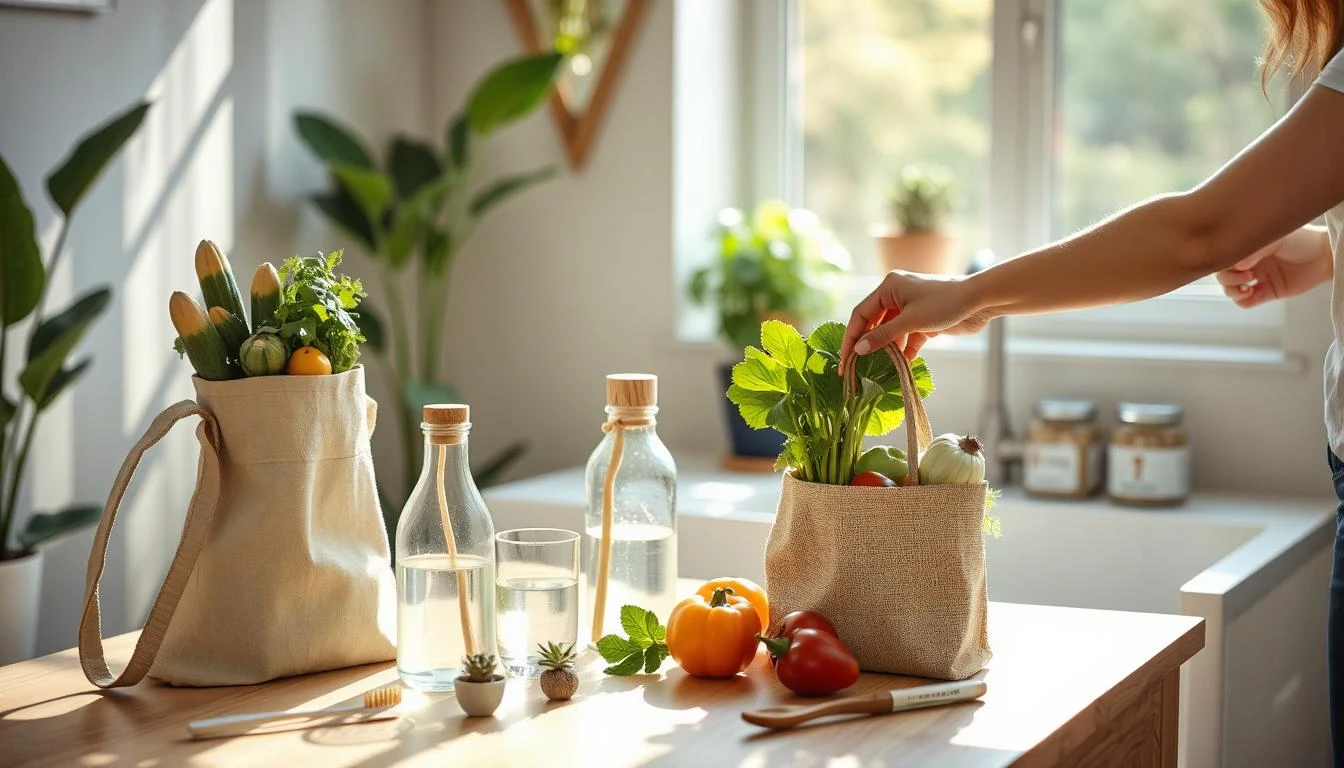
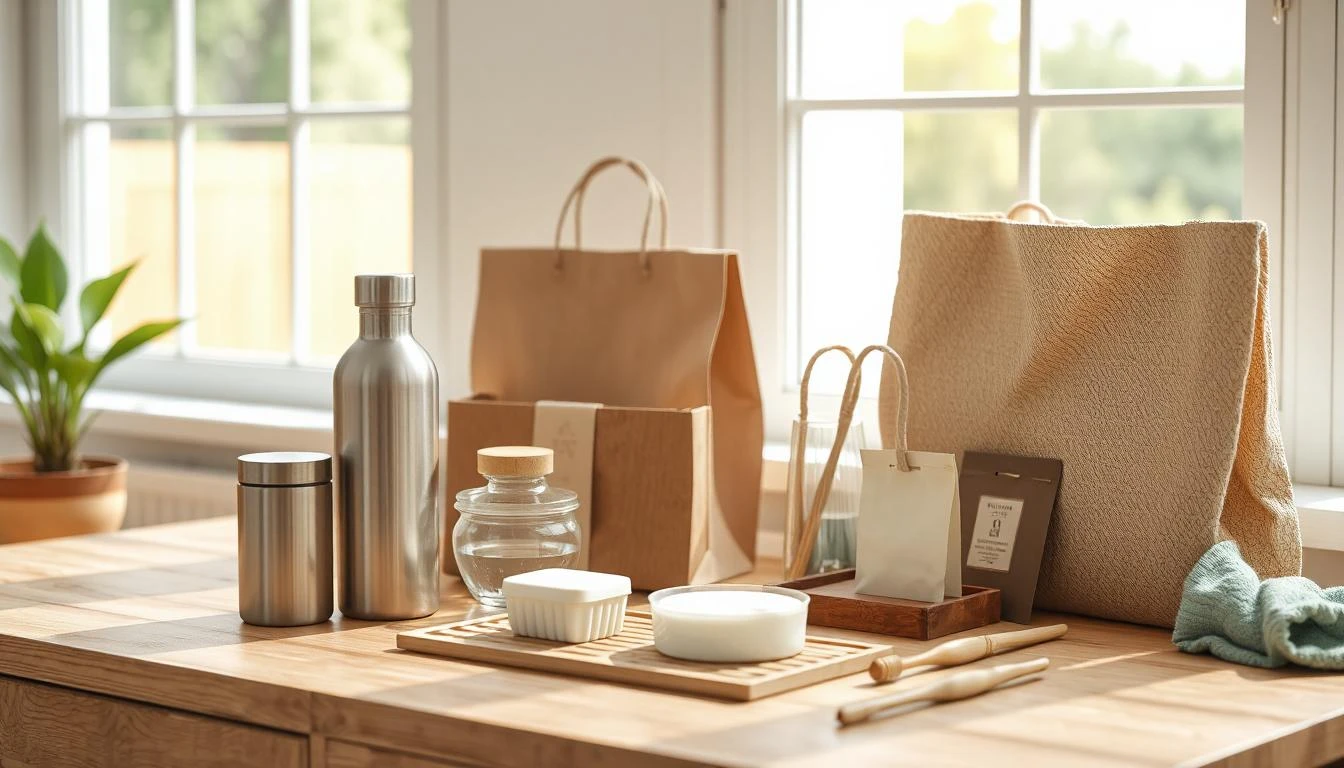
One of the easiest ways to start is by replacing disposable items with reusable alternatives. Switching to a reusable water bottle, cloth shopping bags, or metal utensils can significantly reduce daily waste.
Over time, these changes become habits. What once required effort eventually feels automatic, making sustainable living both practical and effortless.
Managing household waste
Managing household waste effectively is a crucial step in reducing your environmental impact. This includes sorting recyclables, composting organic waste, and minimizing what ends up in landfills.
Understanding how your local waste system works can also help you make better decisions about what and how you dispose of items.
Zero Waste Practices at Home
Your home is where your daily habits take shape, making it the perfect place to start implementing zero waste practices. Small changes made here can create a ripple effect that extends into other areas of your life.
Applying simple waste reduction tips at home allows you to reduce waste without disrupting your routine, making the transition feel more natural and sustainable.
Sustainable kitchen habits
The kitchen is often the largest source of household waste. From food packaging to leftovers, inefficiencies can quickly add up.
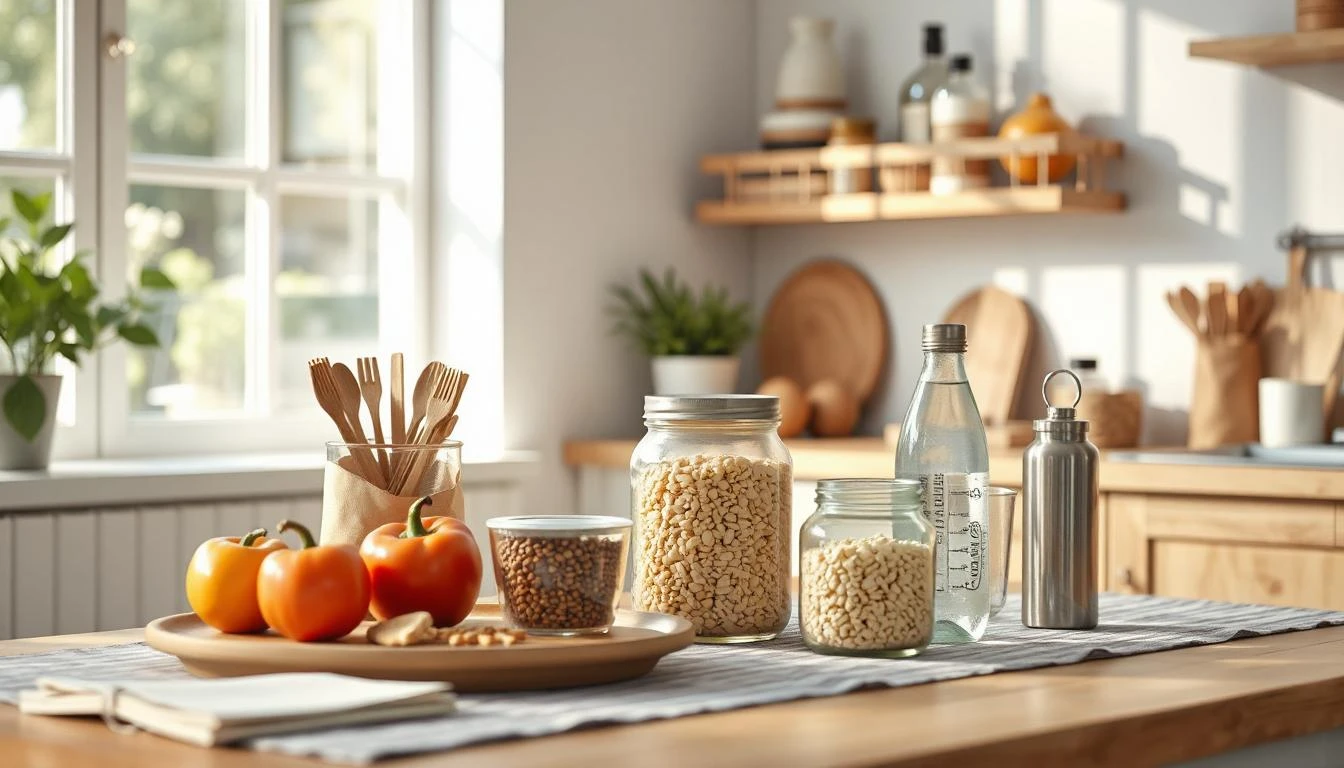
Simple strategies like meal planning, buying in bulk, and properly storing food can significantly reduce waste. Composting food scraps is another effective way to minimize what gets thrown away.
Eco friendly personal care
Personal care routines also offer opportunities to reduce waste. Switching to products like solid shampoos, refillable containers, and biodegradable items can significantly cut down plastic use. These changes may seem small, but over time, they contribute to a more eco-conscious lifestyle.
Smart recycling techniques
Recycling is an important part of zero waste living, but it needs to be done correctly. This means understanding which materials are recyclable, cleaning items before disposal, and following local guidelines.
Proper recycling supports a circular economy, where materials are reused instead of discarded, reducing the need for new resources.
Begin Your Zero Waste Journey Today
Starting your zero waste journey doesn’t require perfection, it requires intention. Every small step you take contributes to a larger impact, and over time, those steps become habits that define your lifestyle.
As Bea Johnson once said, “Refuse what you do not need, reduce what you do need, reuse what you consume,” highlighting how simple principles can guide meaningful change. Similarly, Lauren Singer reminds us that “small changes, when multiplied by many people, can transform the world,” reinforcing the idea that your individual actions matter more than you might think. You don’t need to wait for the right moment. Start now, start small, and let your choices shape a more sustainable future.